Green Tea and Healthy Habits: A Balanced Approach to Everyday Wellness
Wiki Article
Understanding Detox Green Tea and Everyday Wellness
Green tea has become a familiar beverage for people who enjoy its distinctive flavor and place it within a broader wellness routine. Products marketed around green tea cleanses often combine the traditional appeal of tea with language associated with balance, refreshment, and daily self-care. One example is the Detox Green Tea Cleanse Energize Rebalance product presented on Teamill at https://teamill.in/product/detox-green-tea-cleanse-energize-rebalance/. When considering a product in this category, it is useful to understand what green tea can realistically contribute and where marketing language should not be confused with established medical evidence.
The word detox can have different meanings in commercial wellness discussions. The human body already has physiological systems responsible for processing and eliminating waste, including the liver and kidneys. Drinking tea does not replace these functions. Instead, a green tea product can be considered as one possible beverage or dietary addition within a lifestyle that also includes nutritious food, adequate fluids, physical activity, sufficient sleep, and appropriate medical care when necessary.
What Makes Green Tea Different?
Green tea is produced from the leaves of the Camellia sinensis plant. Unlike some other types of tea, green tea is generally processed in a way that limits oxidation. Its composition includes naturally occurring compounds such as polyphenols and caffeine, although the exact amount can vary according to the tea, preparation method, serving size, and product formulation.
Understanding Naturally Occurring Compounds
Green tea contains catechins, a group of polyphenolic compounds that have been studied in nutritional and scientific research. It also naturally contains caffeine unless the product has been specially processed to reduce or remove it. These components are among the reasons green tea has attracted interest in research concerning general health and metabolism.
However, the presence of a naturally occurring compound does not automatically mean that consuming a particular tea product will produce a specific health outcome. Research findings can depend on dose, study design, population, and the form in which a compound is consumed. Consumers should therefore avoid interpreting general research about green tea as a guarantee about an individual product.
- Check the complete ingredient information.
- Consider the caffeine content if it is provided.
- Follow the product's stated serving directions.
- Consider personal dietary preferences and sensitivities.
- Do not treat a tea product as a replacement for medical treatment.
The Meaning of a Green Tea Cleanse
The phrase green tea cleanse is commonly used in the wellness marketplace to describe products or routines involving green tea and related ingredients. It should not automatically be interpreted as a medically established detoxification process. A beverage may support hydration when consumed as part of a normal fluid intake, but hydration and detoxification are not interchangeable concepts.
Similarly, a product described with terms such as energize or rebalance should be understood in the context of its ingredients and intended use rather than as a promise of a particular physiological effect. If a product contains caffeine, for example, caffeine itself is a stimulant and may contribute to temporary alertness in people who are sensitive to its effects. Individual responses vary.
How to Include Tea in a Daily Routine
A tea routine can be simple. Some people prefer tea in the morning, while others enjoy it later in the day. The appropriate timing depends partly on personal preference and caffeine tolerance. Individuals who find that caffeine interferes with sleep may prefer to avoid caffeinated tea close to bedtime.
Make the Routine Sustainable
A wellness habit is more useful when it can be maintained without creating unnecessary complexity. Preparing a cup of green tea can become a small pause during a busy day. Rather than connecting the beverage with extreme dietary restrictions, it can be incorporated alongside ordinary meals and regular hydration.
This perspective also avoids the common mistake of treating a short cleanse as a substitute for long-term healthy habits. Eating a varied diet and maintaining an appropriate activity pattern generally involve many daily decisions rather than one beverage or supplement.
Pay Attention to the Whole Ingredient List
When choosing a packaged green tea product, consumers should look beyond the front label. The complete ingredient list provides important information about what the product actually contains. If a blend includes multiple herbs or botanical ingredients, each ingredient may have its own characteristics, potential interactions, and considerations.
The serving instructions should also be read carefully. Consumers should not assume that increasing the quantity will produce greater benefits. More of an ingredient is not automatically better, particularly when caffeine or concentrated botanical extracts are involved.
Who Should Exercise Additional Caution?
Although tea is an ordinary beverage for many people, concentrated products can require more consideration. Caffeine may cause unwanted effects in some individuals, including difficulty sleeping, nervousness, or digestive discomfort. People who are particularly sensitive to caffeine should take this into account.
People taking medicines or managing medical conditions should also consider whether the ingredients in a particular product could be unsuitable for them. Pregnant or breastfeeding individuals should seek appropriate professional advice before using products containing concentrated botanical ingredients or significant amounts of caffeine.
Read Before You Consume
Consumers should review the label, serving guidance, allergen information where provided, and any applicable warnings. If there is uncertainty about whether a product is appropriate, a qualified healthcare professional can provide advice based on the individual's circumstances.
Green Tea Is Not a Substitute for Healthy Habits
A balanced wellness routine usually involves several interconnected habits. Nutrition provides essential nutrients, physical activity supports general fitness, sleep allows the body to recover, and hydration supports normal physiological processes. A green tea beverage can fit into this framework, but it should not be presented as a replacement for these foundations.
- Eat a varied and balanced diet.
- Maintain regular physical activity appropriate to your abilities.
- Drink sufficient fluids throughout the day.
- Maintain a consistent sleep routine.
- Use professional medical guidance when health concerns require it.
Evaluating Wellness Claims Carefully
Words such as cleanse, energize, rebalance, and detox are attractive because they communicate a simple wellness concept. Consumers should nevertheless distinguish descriptive marketing language from clinically established outcomes. A product page can describe a product and its intended positioning, but that does not mean every possible health interpretation is scientifically established.
For that reason, shoppers can make better decisions by checking the ingredients, understanding the intended serving, and considering whether the product fits their own routine. A cautious approach is especially important when a person is considering a product because of a specific health concern.
Conclusion
Detox green tea can be understood most responsibly as part of a broader approach to everyday wellness rather than as a replacement for the body's natural waste-processing systems or for medical care. Green tea contains naturally occurring compounds that have been studied, and products such as the Detox Green Tea Cleanse best detox tea in india Energize Rebalance available through Teamill can be evaluated by examining their actual ingredients, serving best detox tea in india information, and intended use. A sensible routine focuses on consistency rather than extreme claims. Tea can be enjoyed as a beverage while balanced nutrition, hydration, physical activity, sleep, and appropriate healthcare remain the foundation of personal wellbeing. Consumers who take time to understand labels and consider their individual circumstances are better positioned to decide whether a green tea product belongs in their daily routine.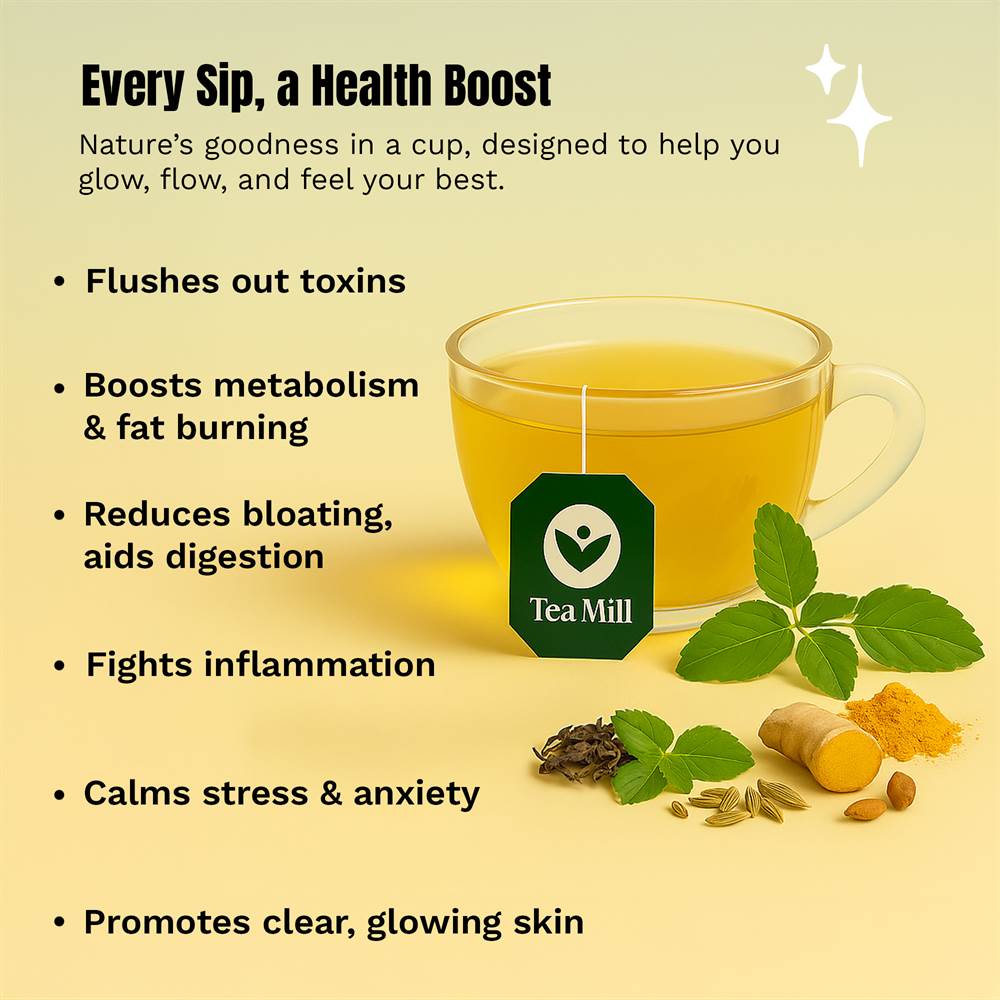 Report this wiki page